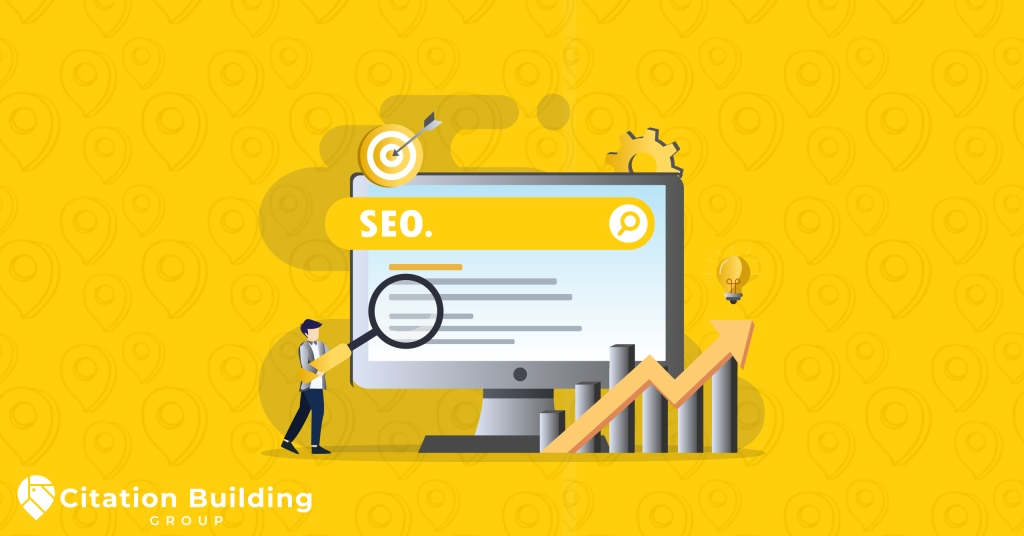
In today’s competitive digital landscape, SEO in digital marketing is a critical strategy for businesses aiming to improve their online visibility and attract organic traffic.
Search Engine Optimization (SEO) helps websites rank higher in search engine results, making it easier for potential customers to find your products or services. By focusing on key factors like keyword optimization, content quality, and site structure, SEO enhances user experience and boosts a website’s credibility.
As part of the broader digital marketing strategy, SEO plays a pivotal role in driving sustainable growth by ensuring that businesses not only reach a wider audience but also maintain a strong online presence. In this article, we will explore how SEO in digital marketing can help businesses improve their search rankings, increase traffic, and generate more leads.
SEO in Digital Marketing
SEO in digital marketing refers to the process of optimizing a website to rank higher on search engine results pages (SERPs) to increase organic (non-paid) traffic. It involves strategies and techniques designed to improve a website’s visibility, making it easier for potential customers to find a business online. SEO is a critical component of any digital marketing strategy because it helps websites attract targeted visitors who are actively searching for specific products, services, or information.
Effective SEO in digital marketing includes optimizing content with relevant keywords, improving the site’s technical aspects like speed and mobile-friendliness, and building high-quality backlinks. It also focuses on ensuring that the website structure is easy to navigate and that the content provides value to the users, making their experience more rewarding.
With the majority of online experiences starting with a search engine, SEO in digital marketing offers a cost-effective way to gain long-term visibility, drive traffic, and ultimately increase conversions. By improving search rankings and optimizing user engagement, businesses can build trust and authority in their industry, leading to more leads and sales.
The Importance of SEO for Online Visibility
SEO in digital marketing plays a crucial role in enhancing a website’s visibility on search engines like Google, making it easier for potential customers to find a business online. In a world where consumers often turn to search engines to find products, services, or solutions, SEO for online visibility ensures that your website ranks higher in search engine results, driving organic traffic and increasing brand awareness.
By implementing effective SEO strategies, such as optimizing content with relevant keywords, improving site speed, and building authoritative backlinks, businesses can increase their chances of appearing on the first page of search results. This is significant because most users tend to click on results from the first few pages, making it essential for businesses to maintain a strong online presence.
In the broader landscape of digital marketing, SEO is one of the most cost-effective ways to boost online visibility. Unlike paid advertising, SEO provides long-term results that continue to drive traffic without ongoing costs. As search engines evolve, maintaining strong SEO practices ensures that your website remains relevant and visible, giving you a competitive edge in the online marketplace.
Key Elements of SEO in Digital Marketing
SEO (Search Engine Optimization) is a critical aspect of digital marketing that focuses on improving a website’s visibility and ranking on search engine results pages (SERPs). To achieve optimal results, several key elements must be integrated into an SEO strategy. Below are the essential components of SEO in digital marketing:
- On-Page SEO On-page SEO refers to the elements on your website that you can directly control to improve its search engine ranking. This includes:
- Keyword Optimization: Integrating relevant keywords into your content, titles, headings, and meta descriptions.
- Content Quality: Providing valuable, informative, and well-structured content that satisfies the user’s search intent.
- User Experience (UX): Ensuring your website is easy to navigate, with clear calls-to-action, fast loading speeds, and mobile-friendliness.
- Internal Linking: Connecting relevant pages within your website to enhance navigation and the user experience.
- Off-Page SEO Off-page SEO focuses on actions taken outside of your website that influence its rankings. This includes:
- Backlinks: Building high-quality backlinks from authoritative websites in your industry, which signal trustworthiness and credibility to search engines.
- Social Media Engagement: Sharing content on social media platforms to increase traffic and brand exposure, which can indirectly impact SEO.
- Influencer and Brand Mentions: Getting mentioned by influencers and other credible brands increases your site’s reputation and visibility.
- Technical SEO Technical SEO ensures that your website is optimized for search engines to crawl and index. It includes:
- Website Speed: Ensuring that your site loads quickly, as speed is a critical factor for both user experience and SEO.
- Mobile Optimization: With more people accessing websites via mobile, search engines prioritize mobile-friendly sites.
- XML Sitemaps and Robots.txt: These files help search engines crawl and index your site efficiently.
- Structured Data (Schema Markup): Implementing schema markup enables search engines to better understand the content on your pages, improving your chances of appearing in rich snippets.
- Local SEO Local SEO focuses on optimizing your website for local search results, which is crucial for businesses serving specific geographic areas. This includes:
- Google My Business: Claiming and optimizing your Google My Business listing helps you appear in local search results and Google Maps.
- Local Keywords: Including location-specific keywords in your content to rank for local searches.
- Local Citations: Getting your business listed in local online directories and maps.
- Content Marketing Quality content is at the core of SEO success. Engaging, informative, and shareable content not only provides value to users but also helps with ranking for relevant keywords. It supports SEO by:
- Attracting backlinks from other websites.
- Increasing user engagement and reducing bounce rates.
- Helping search engines understand the relevance of your website to particular search queries.
- Analytics and Performance Monitoring Continuously measuring and analyzing SEO performance is crucial for identifying areas of improvement. Tools like Google Analytics and Google Search Console help track:
- Traffic and Rankings: Monitor how well your website is ranking and how much organic traffic it’s generating.
- User Behavior: Understand how users interact with your site to improve user experience and content.
- Conversion Metrics: Analyze conversion rates to determine if your SEO efforts are leading to tangible results.
Conclusion
The key elements of SEO in digital marketing work together to improve your website’s search engine visibility and drive more organic traffic. By focusing on on-page SEO, off-page SEO, technical SEO, local SEO, content marketing, and performance monitoring, businesses can enhance their online presence, attract more customers, and increase conversions. Integrating these SEO strategies into your digital marketing plan will help ensure long-term success in the digital world.